About

Organizations grow in the direction of the questions they ask.

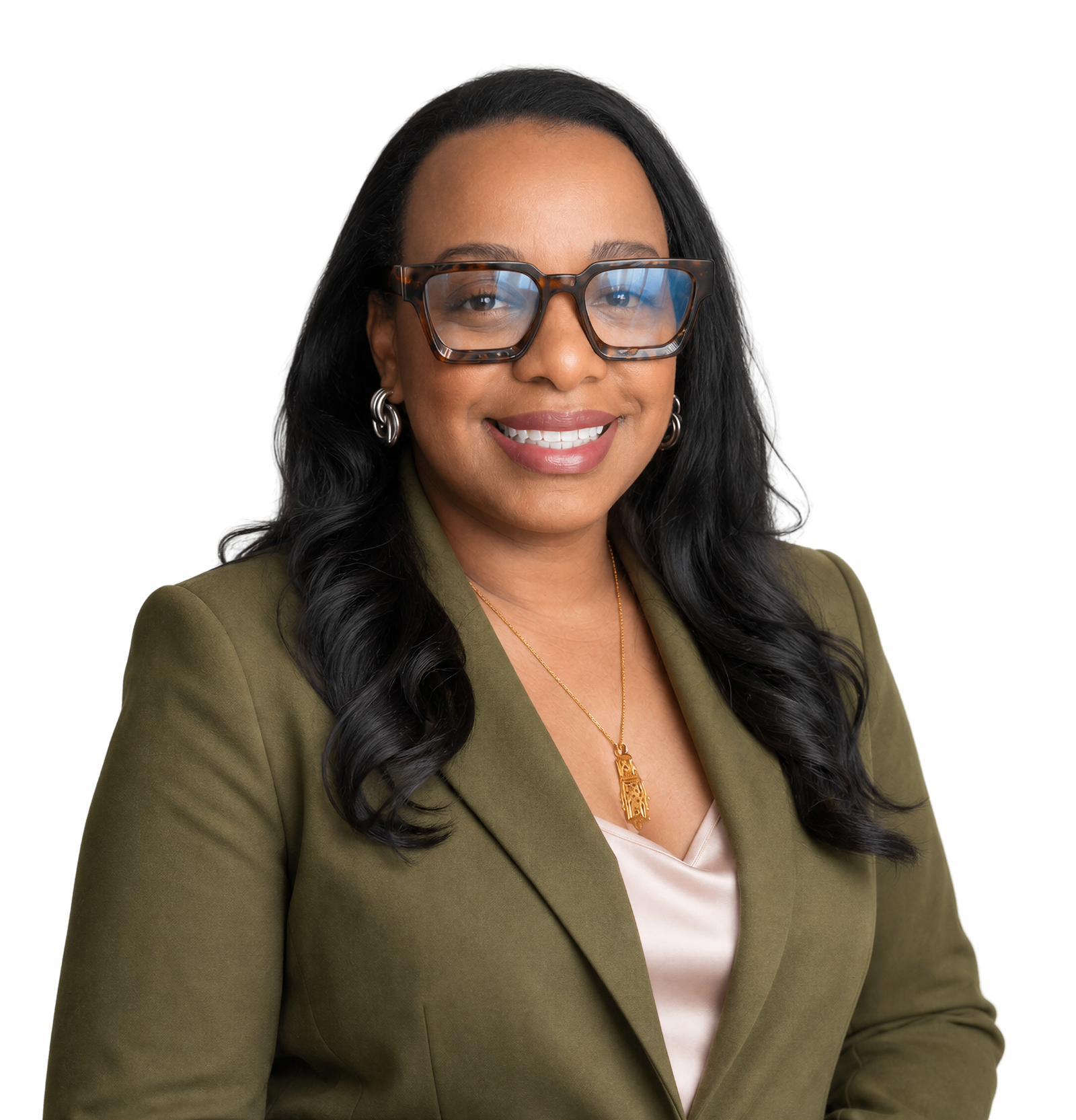
I’m Dahab Hagos-Fewell, founder of Werrki Studios. I help teams ask better questions, recognize the strengths and possibilities already around them, and build the strategy and systems to turn those into progress.

For more than 15 years, I’ve worked to build and strengthen teams and organizations. Werrki is an extension of that work, and of my belief that people can do good and do well when mission, strategy, and execution stay connected.

Dahab Hagos-Fewell, founder of Werrki Studios

The name

A name that holds a point of view

My grandmother called me Dahab Werrki. In Arabic, Dahab means gold. Werrki means jewelry, and it is also used to describe a gift or a gem.

That name has become a metaphor for how I approach this work. Organizations already hold valuable strengths: the knowledge of their people, relationships they have built, and ideas with the potential to make a difference. I want to help teams uncover that gem and make the most of it.

The approach

Start with what works. Then build what’s next.

Appreciative Inquiry is central to my approach. I believe organizations grow in the direction of the questions they ask, so I’m intentional about asking questions that help people see what is working, when they do their best work, and what those moments make possible.

Those questions create a grounded starting point for change. From there, teams can build on their strengths, address what is getting in the way, and decide what they want to make possible next.

I pair that asset-based approach with strategy, project management, and implementation. The goal is to help people move from insight to action, with systems and ways of working that fit their real context.

Mission & business

Business and impact belong in the same conversation.

I started coding in the 1990s, and technology has interested me ever since. In the early 200s, I was already helping businesses, non-profits, and even hotels think about social media strategies, at a time when having a Facebook page was not yet commonplace.

I then decided to study business formally, volunteer in my community, and start my first small businesses in college, while also engaging in broader social impact work. That overlap of business and social impact still shapes how I see organizations.

A nonprofit is still an organization with people, operations, strategy, and resources to steward. Its mission deserves the same rigor, quality, intentionality, and strategic attention as any other business. When organizations keep both mission and business health in view, they can protect the work and strengthen their ability to make an impact.

Experience

Experience built across sectors

My career has included work in government, philanthropy, education, fundraising, workforce development, and social impact.

Across my career, I have led transformation and strategy work, supported nonprofit merger and transition planning, helped develop grantmaking workflows and engagement tools, and coordinated complex initiatives across teams and organizations.

18+ years

Leading transformation and portfolio work

PMP

Project Management Professional certification

Since 2012

Asana user, Ambassador & Workflow Specialist

Principles

What guides how I work

Clarity

People should be able to see what matters, what is expected, and what happens next.

Connection

Progress depends on people being able to contribute, collaborate, and understand how their work connects to the larger purpose.

Candor

Plans should reflect real capacity and constraints. Good work makes room for the conversations teams need to have.

Creativity

Teams deserve space to explore possibilities and design practical ways forward.

Community

The people closest to the work hold important knowledge. I want the process to make room for that knowledge and strengthen how people work together.

In practice

What this looks like in practice

I care about both the outcome and the people who make it possible. I want teams to leave with clearer priorities, stronger ways of working, and more confidence in their ability to move the work forward.

Project management, strategy, and systems are not just tools for tracking tasks. Used with care, they can help people steward their time, ideas, relationships, and resources toward the things that matter.

werrki Client story

Connecting a nonprofit’s mission to its next chapter

The organization

A youth-serving nonprofit reaches thousands of young people in its community through leadership training and life skills programs. The team was doing great work every day.

The challenge

There was no strategy guiding that work. Without one, the organization kept missing the mark, even with committed staff and strong programs. The board wasn’t aligned either, so it couldn’t support the executive director or the team effectively.

How we worked together

Werrki partnered with the organization to build a community-centered strategic plan:

Listening first: Listening sessions and interviews brought in the people closest to the work and the community it serves.

Building the strategy together: Facilitated sessions let leadership, staff and board shape the direction together, so they owned the result.

Strategy and implementation plan: Werrki presented the final strategy along with an implementation plan, including a 3-year roadmap and key metrics the organization could put in place and track.

What changed

Stronger funder relationships: With a clear strategy to point to, the organization improved and strengthened its relationships with funders in the community.

Day-to-day work tied to the big picture: The executive director and board could easily connect week-to-week work to the strategy’s overall goals.

A stronger board: Knowing what it was working toward and what it needed, the organization was able to grow its board strategically.

Why it matters

Good work isn’t enough on its own. It needs a direction. A strategy built with the community and backed by a practical roadmap gave this organization a shared direction, an aligned board and a stronger story for funders.

werrki Client story

Bringing consistency to a Fortune 500 Go-To-Market team

The organization

Teams across a Fortune 500 enterprise used a range of different work-management tools. One specialized team, focused on Go-To-Market, chose Asana as its platform.

The challenge

The tool was in place, but there were no guardrails. Everyone used Asana differently, with no shared standards. So the team wasn’t getting what a shared work platform should give it: visibility into the work, consistent processes and one reliable source of truth.

How we worked together

Audit: Werrki reviewed how the team was actually using Asana and found the gaps and inconsistencies.

Recommendations: We designed improved workflows, templates and processes that fit how the team works.

Training and a reset: We trained the team and set a new baseline for how Asana should be used going forward.

What changed

The team now works from a consistent approach in Asana, which has improved collaboration and given it the visibility and structure the platform was chosen to provide.

[Optional: add specifics if you have them, such as faster onboarding, fewer status meetings or adoption rates.]

Why it matters

Buying a tool doesn’t change how a team works. Clear standards, practical templates and shared expectations do. This engagement turned Asana from one more tool into the team’s real operating platform.

Testimonials

What clients say

Dahab helped us bring our mission and strategy into clearer focus. Through listening sessions, interviews and facilitated work sessions, she brought our staff, board and community into the process. Her approach took into account the sensitivities and priorities of our community. I can't recommend her enough.
S. Johnson Sr., Executive Director, Youth Leadership Nonprofit
Dahab helped us move from doing good work without a clear direction to having a strategy that guides everything we do, and using Asana more effectively as a team. She brought structure, skilled facilitation and a deep understanding of critical work, and helped us get our leadership team aligned around the same goals. The most valuable part was the implementation plan. Now our week-to-week work connects directly to the bigger picture in Asana.
A. Wang, Director, Banking

Let’s uncover what’s possible.

If you have an important priority that needs clearer direction, stronger systems, or hands-on execution support, I’d be glad to hear what you’re working on.